Dunellen General Contractor for Home Improvement and New Construction
Dunellen General Contractor for Home Improvement and New Construction
Blog Article
Why Determining the Best General Contractor Is Crucial for Your Project
Identifying the right main contractor is a pivotal call that can greatly determine a project's fruition. A suitable contractor secures well-organized handling and adherence to financial plans. Their ability to navigate problems and maintain clear communication is paramount. However, many building principals neglect critical variables in this selection cycle. Understanding these particulars can lead to finer outcomes and heightened contentment. What should one think about when conducting this important choice?
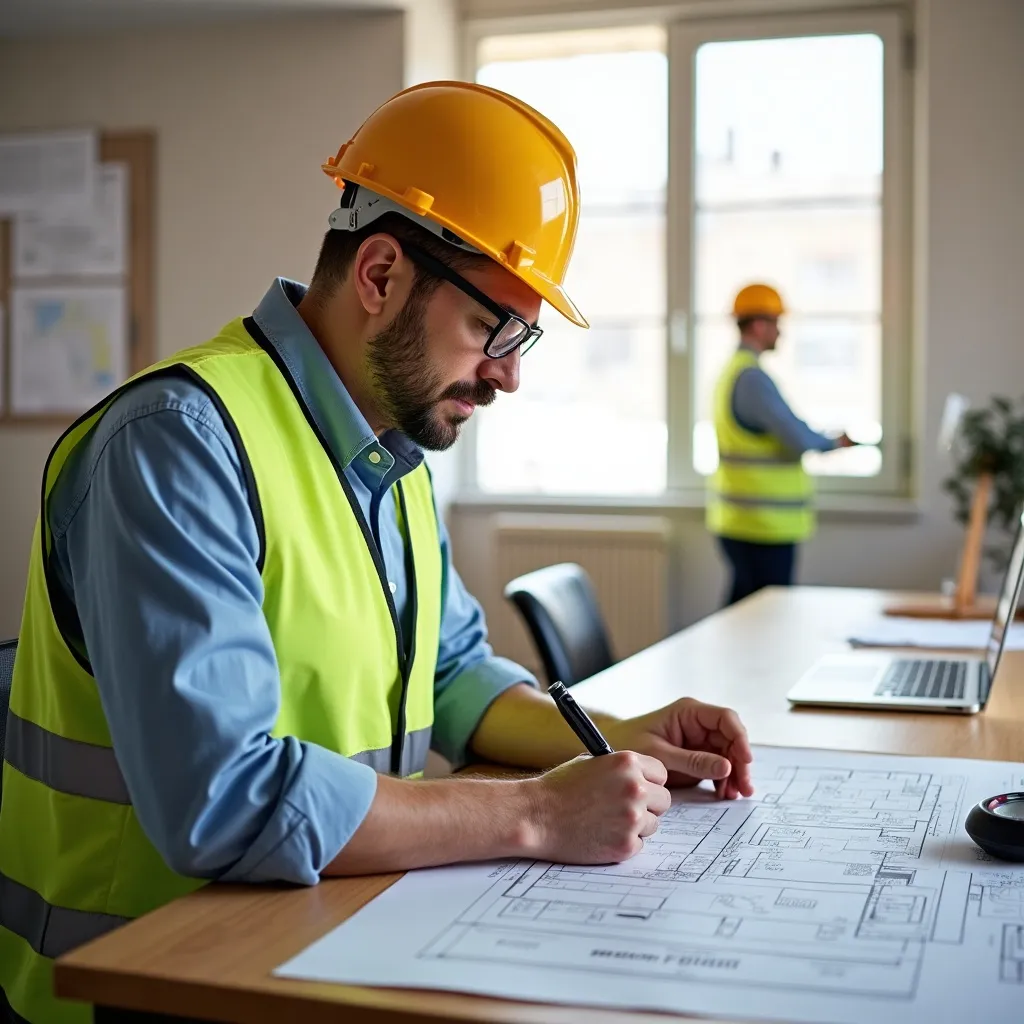
Common Obstacles in Selecting a General Contractor
When choosing a building contractor, prospective customers often face numerous typical challenges that can complicate the selection process. One significant hurdle is the vast quantity of options available, which can lead to confusion and indecision. Customers may find it hard to differentiate between contractors based on credentials, background, and cost, making it difficult to identify who will best meet their construction requirements.
A further problem is the limited disclosure in contractor bids, where hidden costs may emerge later, modifying the project allocation. Additionally, clients may experience concerns pertaining to exchange of information; some contractors may fail to inform clients consistently throughout the timeline, leading to dissatisfaction. Finally, clients often grapple with verifying a contractor's endorsements and historical work, which can lead to hesitation about the quality of service to be delivered. These challenges call for careful consideration and research to confirm the right choice is undertaken.
Why a Dependable General Contractor Is Critical
A reliable general contractor plays a essential role in ensuring efficient project delivery and maintaining quality standards. Their skill helps improve processes, minimizing delays and expenses. Additionally, a dependable contractor upholds high standards, resulting in superior craftsmanship and client contentment.
Boost Project Oversight Efficiency
Efficient project handling is contingent upon the dependability of a general contractor. A reliable contractor assures that timelines are followed, resources are efficiently assigned, and communication flows smoothly among all stakeholders. Their competence in coordinating subcontractors, suppliers, and laborers directly impacts the progress and overall success of the project. A trustworthy contractor minimizes delays and cost overruns This effectiveness fosters a cooperative setting supporting necessary modifications and enhancements. Ultimately, the general contractor's trustworthiness enhances both the operational facets of the project and confidence among clients and team members, guaranteeing alignment towards a favorable final outcome.
Quality Assurance Criteria
Reliable contractors fulfill a pivotal role in enforcing quality assurance measures throughout the course of a project. They confirm that all work adheres to established guidelines and industry norms, which is for the longevity and safety of the structure. A competent contractor maintains careful oversight of materials and workmanship, performing regular inspections to identify and rectify problems quickly. This proactive strategy addresses risks associated with inferior construction, ultimately protecting the investment. Furthermore, a reliable contractor fosters communication among all stakeholders, assuring expectations are clear and met. By emphasizing quality assurance, a skilled general contractor not only improves the finished product but also cultivates trust with clients, laying the foundation for successful project outcomes.
Examining a Contractor's Experience and Reputation
When picking a general contractor, understanding their expertise and reputation is essential, as these aspects significantly impact project results. A contractor's background typically reflects their competence to handle multiple project types, complexities, and difficulties. Looking at their work samples provides perspective into previous work, displaying craftsmanship and careful attention to specifics.
Furthermore, reputation plays a vital role in building trust. Prospective clients should seek online reviews, testimonials, and references to gauge satisfaction levels from previous clients. Engaging with past customers can uncover the contractor's reliability, communication skills, and adherence to timelines and budgets.
Moreover, industry affiliations and certifications can enhance a contractor's authenticity, conveying a commitment to quality and ethical practices. By rigorously assessing both experience and prestige, clients can make informed decisions, decisively creating the conditions for a successful construction project.
Vital Attributes of a Reliable Contractor
A dependable contractor consistently demonstrates integrity, transparency, and strong interpersonal abilities. These vital qualities form the foundation of a prosperous professional partnership. Integrity ensures the contractor adheres to ethical practices, offering truthful evaluations and practical timelines. Openness entails fully disclosing project details, including costs and potential challenges, fostering trust between the contractor and the client.
Excellent interpersonal abilities permit the contractor to effectively express ideas, listen to client needs, and address any concerns that arise during the project. Additionally, a dependable contractor exhibits adaptability, adjusting to changes and unexpected circumstances with poise and flexibility. Meticulous attention to detail is one more important trait; it reflects a commitment to excellence and precision in every aspect of the work. Ultimately, these traits not only boost project outcomes but also foster a positive relationship for clients, making the hiring of a dependable contractor all the more essential.
Key Inquiries for Hiring Your General Contractor?
What method can one use to guarantee they select the best general contractor for their project? By posing a collection of targeted questions, potential clients can better evaluate candidates. First, asking about the contractor's experience with similar projects provides insight into their expertise. It's also essential to ask for references; speaking with previous clients can reveal the contractor's dependability and quality of work.
Subsequently, evaluating licensing and insurance ensures that the contractor fulfills legal requirements and shields the client from unforeseen liabilities. Clients ought to also request information about timelines and project management strategies to determine how the contractor will manage the project efficiently.
Budget discussions are essential; asking for further information a comprehensive quote prevents unexpected costs later. Finally, understanding the contractor's preferred communication style can establish the foundation for a successful partnership. By addressing these important inquiries, clients can make informed decisions in selecting their general contractor.
Strong Communication Between You and Your Contractor
Effective interaction with a contractor is critical for project completion. Setting explicit expectations and sharing consistent updates can prevent misunderstandings that often lead to expensive postponements. Additionally, encouraging an receptive exchange establishes trust, ensuring a smoother working relationship throughout the building phase.
Explicit Parameters Guarantee Positive Outcomes
Establishing well-defined expectations is vital for a productive partnership with a general contractor. Effective communication forms the basis of understanding project goals, timelines, and budget constraints. When both parties express their needs and concerns, it minimizes the risk of misunderstandings that can hinder progress. A contractor who understands the specific requirements can distribute resources wisely and address potential challenges proactively. In addition, clarity in expectations fosters accountability, making certain that the contractor delivers on promises and that the homeowner feels involved in the process. By prioritizing open dialogue from the outset, clients can improve cooperation and satisfaction, ultimately leading to a smoother project execution. Clear expectations not only streamline operations but also build trust between the homeowner and the contractor.
Quick Communications Stop Confusion
Setting clear expectations lays the foundation for effective collaboration, while consistent communication is equally important. Timely updates shared by construction managers can ward off confusion that could arise during a project. When construction teams regularly relay progress updates, clients remain informed on schedules, budget modifications, and potential obstacles. Such proactive interaction helps align both parties' intentions and lessens the likelihood of disagreements later on. Moreover, if problems arise, swift communication enables faster fixes, ensuring the project stays on course. By establishing a culture of candid communication, contractors demonstrate their commitment to the project's accomplishment, ultimately yielding a more streamlined workflow and greater client gratification. Consequently, timely communications function as a foundational element for maintaining clarity and faith throughout the construction process.
Candid Dialogue Produces Trust
While a initiative moves along, keeping an frank conversation with the general contractor becomes vital for nurturing faith and cooperation. Effective communication assures that all parties have a clear understanding of expectations, timelines, and potential challenges. When construction professionals and clients engage in ongoing conversations, it allows for the detection of issues before they intensify, limiting disruptions. This transparency not only strengthens trust but also enhances the overall construction journey. Moreover, an open line of communication encourages suggestions, empowering the contractor to make changes that correspond to the client's vision. Conclusively, robust dialogue sets up a foundation of shared respect, which is essential for the effective completion of any construction work. Trust cultivated through interaction leads to superior results for everyone involved.
Frequently Posed Questions
How can I verify if a Contractor holds a License?
To determine if a contractor is authorized, one should examine local licensing boards or websites, authenticate their license number, and verify it's active. Additionally, reviewing internet feedback can furnish understanding of their integrity and dependability.
What Risk Coverage Should My Contractor Obtain?
A builder should carry broad coverage protection, workers' compensation, and, if relevant, errors and omissions coverage. These protect against potential damages, on-the-job accidents, and errors in workmanship, ensuring financial protection for both the contractor and the client.
What's the Most Effective Way to Review a Construction Professional's References?
To validate a contractor's references, one should request a list of previous clients, contact them personally, and inquire about their impressions. Additionally, studying digital reviews and rankings can furnish important information into the contractor's reliability.
What Might I Consider if Issues Materialize During the Engagement?
If difficulties surface during the project, one should document the concerns, engage directly with the contractor, and seek a resolution. If necessary, engaging a mediator or obtaining legal counsel may also be warranted.
What Alert Signs Should You Keep an Eye On During the Candidate Screening?
Warning signs in the recruitment phase include vague estimates, lack of references, poor communication, missing certifications, and unfavorable ratings. These signals suggest potential issues that could affect the project's quality and timeline.
Report this page